

Pilot Bearing vs. Pilot Bushing: Which Does Your Vehicle Use?
- on July 14, 2026
- Categories: News
Tucked into the center of the flywheel (or, on some vehicles, the end of the crankshaft) is a small part that rarely gets attention until a clutch job is already underway: the pilot bearing or pilot bushing. It supports the front tip of the transmission's input shaft, keeping it centered as the shaft spins and slides during clutch engagement. Depending on the vehicle, this part is either a bearing or a bushing — and the two are not the same thing.
Pilot bushing: solid, simple, forgiving
A pilot bushing is a solid sleeve, typically bronze or oil-impregnated sintered metal. It doesn't have rolling elements — the input shaft simply rotates against its inner surface. Because it's a plain bearing surface rather than a precision rolling-element bearing, a bushing is more tolerant of minor misalignment between the input shaft and the crankshaft centerline. It's also generally the less expensive of the two parts.
Pilot bearing: rolling elements, tighter tolerance
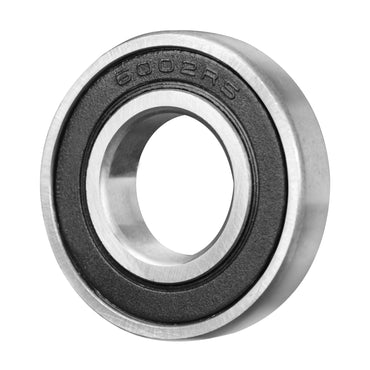
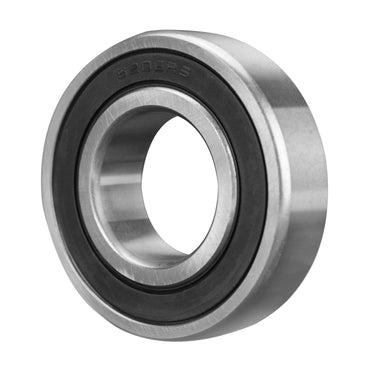
A pilot bearing uses needle rollers or ball bearings inside a metal cage. With rolling elements instead of a plain sliding surface, it creates less friction and gives a cleaner, more precise shaft engagement — but it depends on good alignment to work well over the long term. If a pilot bearing does fail, it can do more damage to the input shaft's pilot tip than a worn bushing typically would, simply because the failure mode is more abrupt.
So which one does your vehicle use?
This is genuinely vehicle-specific, and it's not something to guess at. The same general platform can use either part depending on model year, transmission, or engine option. The reliable way to check is your vehicle's parts diagram or a direct part-number lookup — not a rule of thumb based on vehicle age or brand.
To make that concrete: in AT Clutches' own catalog, the Pilot Bearing collection currently covers applications like the Ford F-450 Super Duty and classic Ford/Mercury V8 platforms that call for a needle roller bearing, while the Pilot Bushing collection covers a much broader range — including Honda Civic, Infiniti/Nissan 350Z, Jeep, Dodge, and dozens of classic domestic platforms — that call for a bronze bushing instead. The part your vehicle needs depends entirely on what the transmission and flywheel were engineered around, not on how old or new the vehicle is.
Symptoms of a worn pilot bearing or bushing
- A grinding or chirping noise specifically when the clutch pedal is pressed and the transmission is in neutral
- Difficulty getting the transmission into gear, especially first or reverse
- Noise that stops when the clutch pedal is released
These symptoms can be easy to confuse with a failing release (throw-out) bearing — see our companion guide on the difference between a clutch release bearing and a throw-out bearing if you're trying to isolate the noise.
Replace it while the transmission is already out
Like the release bearing, the pilot bearing/bushing is only accessible with the transmission removed. Given how inexpensive the part is relative to the labor involved in a clutch job, it's standard practice to replace it any time the clutch is being serviced, rather than waiting for it to fail on its own.
Shop the right part
Browse Clutch Pilot Bearings or Clutch Pilot Bushings at AT Clutches, or check a complete clutch kit that already includes the correct part for your platform.
About Author