

Clutch Release Bearing vs. Throw-Out Bearing: Are They the Same Part?
- on July 14, 2026
- Categories: News
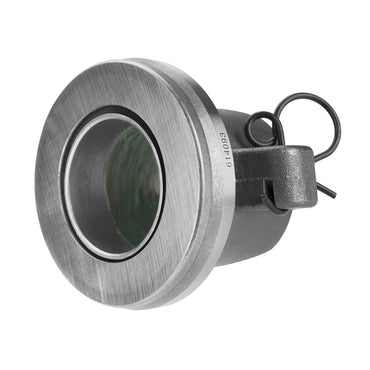
If you've shopped for this part before, you've probably seen it listed two different ways: clutch release bearing and throw-out bearing. Same aisle, same price range, sometimes even the same product listing using both terms in the title. That's not a mistake. It's the same physical part — the naming difference just comes down to history.
Why does this part have two names?
"Throw-out bearing" is the older, American shop-floor term. It describes what the part does mechanically: when you press the clutch pedal, the clutch fork pushes this bearing forward — it gets "thrown out" toward the pressure plate. It's a description of motion, and it stuck for generations of American mechanics.
"Clutch release bearing" describes the same action from the other direction: the bearing releases the pressure plate's grip on the clutch disc, disengaging the clutch. This is the term used in most OEM service manuals, by SAE technical documentation, and by major bearing manufacturers like Timken, SKF, NSK, and Sachs. As parts catalogs have become more standardized (and more global — European and Japanese manufacturers have always favored "release bearing"), you'll increasingly see it listed this way even in U.S. aftermarket channels.
Bottom line: if you're cross-referencing part numbers, don't let the name throw you off. Check the SKU and vehicle fitment, not just the label.
What the part actually does
The release bearing sits on the transmission input shaft, between the clutch fork and the pressure plate's diaphragm spring. Press the clutch pedal, and linkage (cable, rod, or hydraulic slave cylinder) moves the fork, which pushes the bearing against the diaphragm fingers, which releases clamping pressure on the clutch disc — letting you shift gears without grinding.
It's a wear item that spins (or partially spins) every time the clutch pedal is pressed, so it takes constant mechanical load over the life of the clutch.
Signs it's wearing out
- A chirping, growling, or grinding noise that appears only when the clutch pedal is pressed, and disappears when it's released
- Noise that changes pitch with engine RPM while the pedal is depressed
- A clutch pedal that feels different — notchy, vibrating, or inconsistent
- Difficulty shifting, or the clutch not fully disengaging
Because failure symptoms can overlap with a bad pilot bearing/bushing or a failing slave cylinder, it's worth ruling out the whole clutch release system rather than assuming based on noise alone.
Why it's almost always replaced during a clutch job
Replacing a clutch means pulling the transmission — by far the most labor-intensive part of the job. The release bearing itself is inexpensive relative to that labor. Most shops and experienced DIYers replace it any time the transmission is out, regardless of its current condition, simply because reopening the job later to replace a $20–$75 part isn't worth it.
Shop AT Clutches release bearings
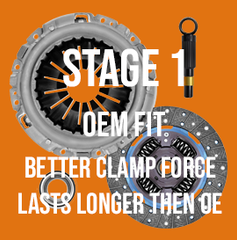
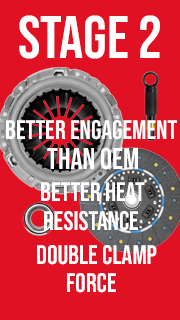
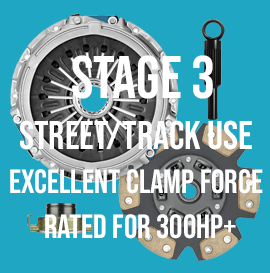
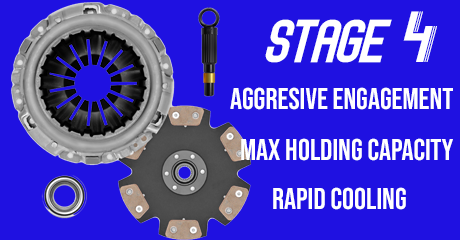
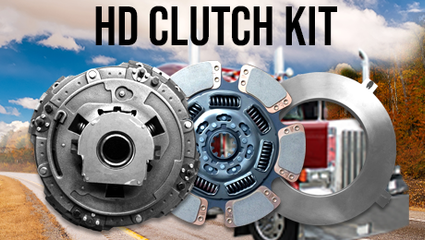
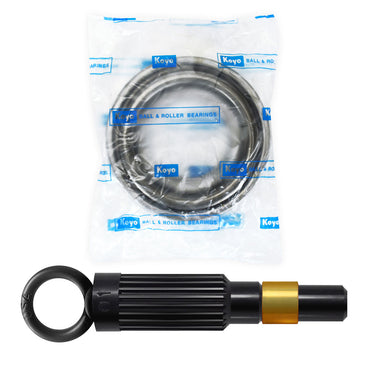
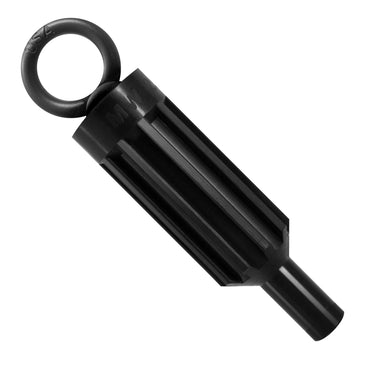
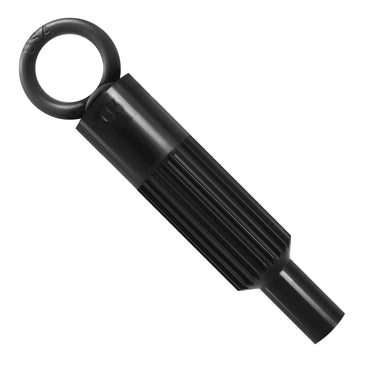
AT Clutches stocks release bearings (listed as throw-out bearings) across a wide platform range — Nissan, Honda, Acura, and Infiniti, with additional coverage for Ford, BMW, Mercedes-Benz, Dodge, Kia, and Toyota. Browse the Clutch Release Bearing (Throw-Out Bearing) collection, or shop a complete clutch kit that bundles the release bearing with the pressure plate, disc, pilot bushing, and alignment tool in one box.
About Author